November 6, 2026
Flickering lights may seem like a minor household annoyance, but recurring changes in brightness can indicate an underlying electrical problem. Loose connections, overloaded circuits, and aging wiring can all affect lighting performance and may create safety risks if left unaddressed. While an occasional flicker caused by a bulb issue is often easy to resolve, persistent or widespread flickering deserves closer attention. Recognizing the warning signs can help homeowners determine when professional electrical repair is necessary.
Understanding the Common Causes of Flickering Lights
Lights can flicker for several reasons, ranging from simple fixture problems to more serious electrical faults. A loose or improperly installed bulb is one possible cause, particularly when only one light is affected. Replacing the bulb with a compatible option or ensuring it is properly seated may resolve the issue.
However, flickering that continues after a bulb has been checked could indicate a problem with the fixture, switch, wiring, or electrical circuit. Loose connections can interrupt the steady flow of electricity, causing lights to dim or flash intermittently. Because faulty connections can generate heat, they should not be ignored.
Changes in brightness across multiple rooms may suggest a broader electrical issue. For example, lights that dim when a major appliance starts could indicate either a significant load on the circuit or that the home's electrical system needs evaluation.
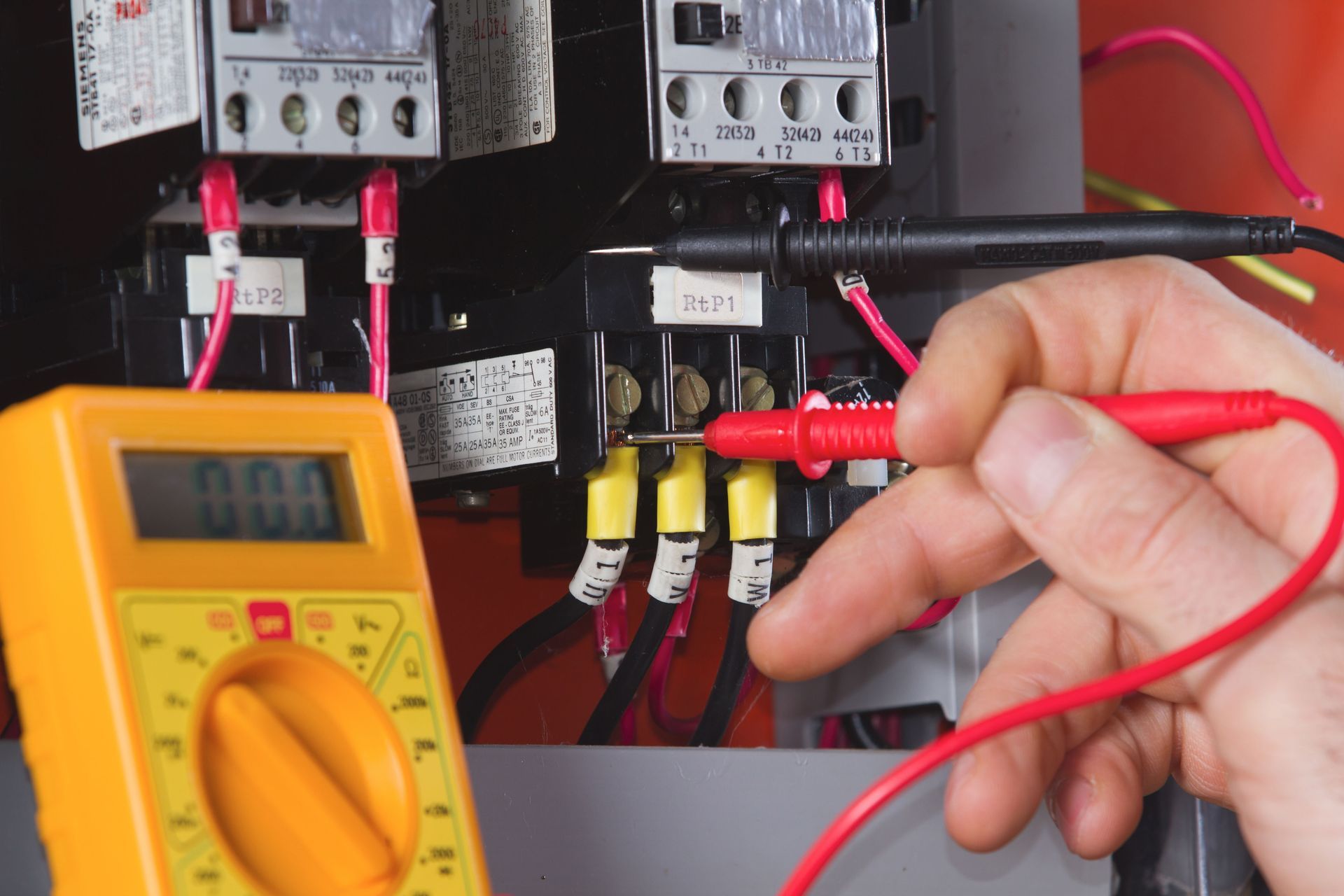
Professional electrical repair can help identify the underlying cause rather than simply treating the visible symptom. An electrician can inspect the affected components, evaluate circuit performance, and recommend an appropriate solution based on the home's electrical condition.
Recognizing When Flickering Becomes a Safety Concern
Not every flickering light indicates an emergency, but certain warning signs require prompt attention. Homeowners should be particularly cautious when flickering occurs alongside unusual smells, buzzing sounds, warm outlets, or discolored switches.
These symptoms may indicate loose connections, damaged wiring, or overheating components. Electrical faults can increase the risk of fire or damage to connected devices, making early investigation important. Scheduling professional electrical repair can help identify the source of these problems before they become more serious.
Watch for these warning signs:
- Frequent or Persistent Flickering: Lights that repeatedly flicker without an obvious explanation may indicate an electrical fault.
- Burning Odors: A smell resembling burning plastic near an outlet, switch, or electrical panel may signal overheating.
- Buzzing or Crackling Sounds: Unusual noises from fixtures, switches, or outlets can indicate loose or damaged electrical components.
- Warm or Discolored Outlets: Heat, scorch marks, or discoloration may point to unsafe connections.
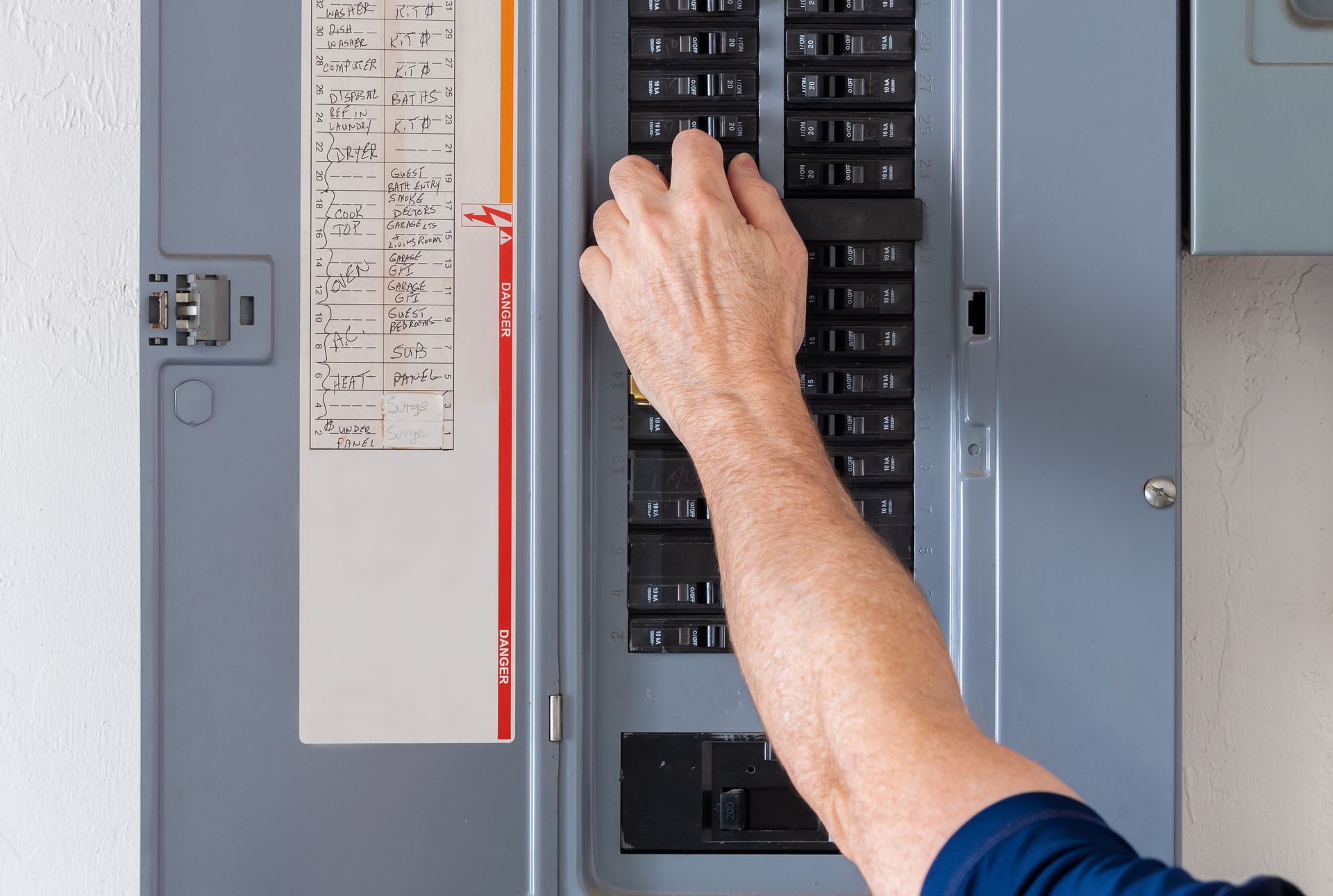
- Repeated Breaker Trips: A circuit breaker that frequently trips may be responding to an overload or another electrical problem.
Ignoring these symptoms can allow an electrical issue to worsen, potentially affecting other parts of the home's electrical system. A qualified electrician can inspect the affected components, determine whether wiring or connections need attention, and recommend appropriate corrective measures. Prompt electrical repair can also help homeowners understand whether a recurring problem requires a targeted fix or a broader safety evaluation.
If there is smoke, active sparking, or a strong burning smell, avoid touching the affected equipment. Leave the area if necessary and contact emergency services when there is an immediate fire risk. If it is safe to do so, stop using the affected circuit and arrange prompt professional assistance.
Identifying Problems With Wiring and Connections
A home's electrical wiring distributes power to lights, outlets, appliances, and other equipment. When wiring becomes damaged, connections loosen, or components deteriorate, the electrical supply may become inconsistent.
Older homes may have wiring or electrical components that require evaluation during routine maintenance or when symptoms develop. Renovations, poorly completed electrical work, moisture exposure, and physical damage can also contribute to wiring problems.
Loose connections are especially concerning because electricity passing through them can generate heat. Flickering may be one of the first noticeable symptoms, but the problem may not remain limited to lighting. Other signs can include intermittent power, unusual sounds, or outlets that consistently stop working.
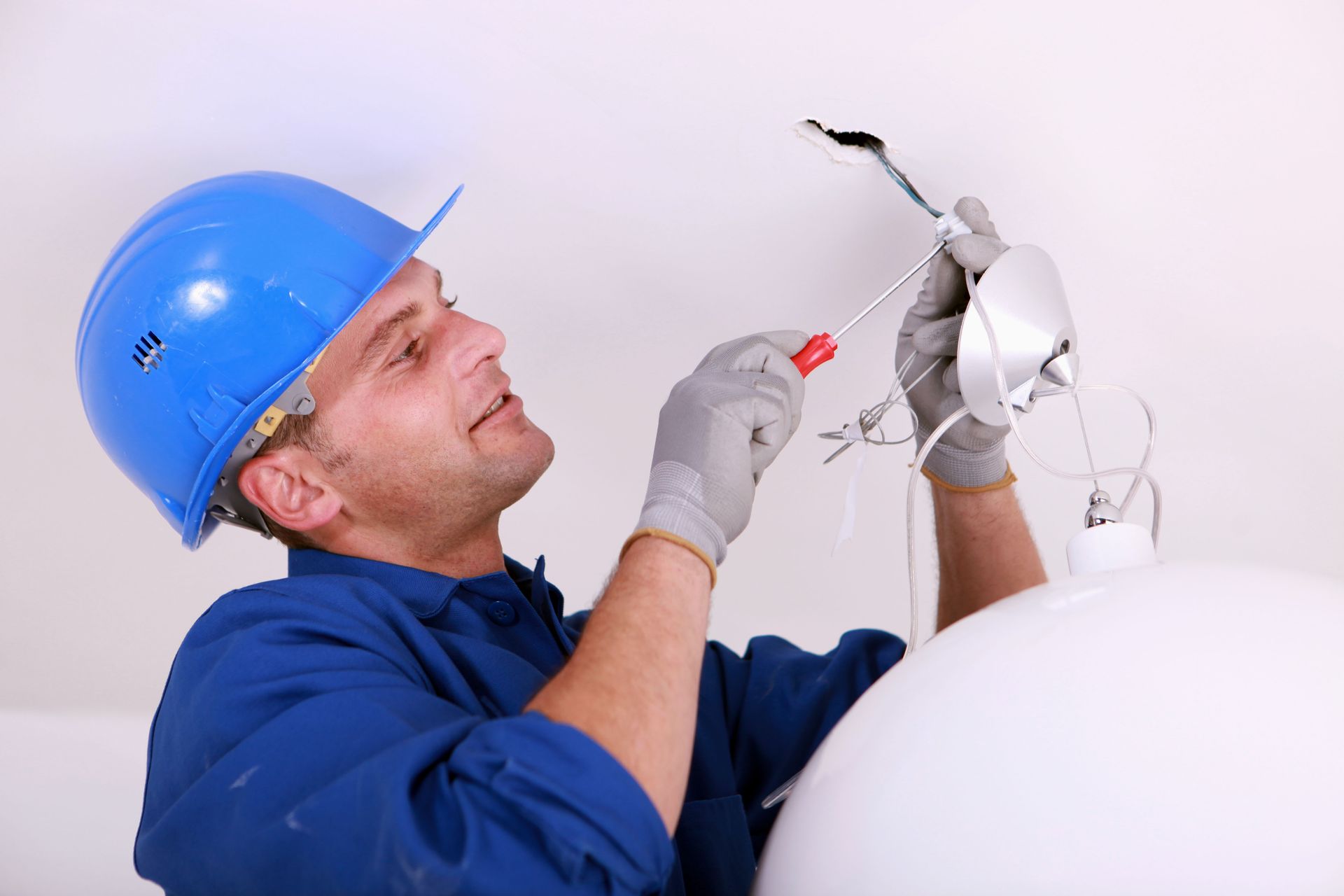
Homeowners should not remove outlet covers, open electrical panels, or attempt to tighten internal wiring without appropriate qualifications. Electrical systems can remain dangerous even when a light switch is off. A licensed electrician can safely inspect the wiring, identify faulty connections, and determine whether components need repair or replacement.
Prompt electrical repair can help restore reliable lighting while addressing the underlying issue. It can also reduce the risk of recurring problems caused by connections that have deteriorated or were installed incorrectly.
Evaluating Overloaded Circuits and Power Fluctuations
Flickering lights sometimes occur when appliances draw substantial power. Air conditioners, refrigerators, electric heaters, and other equipment may create noticeable changes in electrical demand when they start or cycle on. If lighting dims briefly during these moments, the electrical system may need further evaluation, particularly if the changes are frequent or pronounced.
Overloaded circuits can develop when too many devices draw power from the same circuit. In other cases, the circuit may have an underlying fault, or the home's electrical system may need an assessment to determine whether it can accommodate current demand. Professional electrical repair can help identify the cause and determine whether the circuit needs correction or the electrical panel requires further evaluation.
Widespread flickering can also point to a problem beyond an individual fixture. If lights throughout the house brighten and dim unexpectedly, the issue may involve the electrical panel, service connections, or the incoming power supply. Homeowners should contact their utility provider when a supply problem is suspected and consult an electrician to assess any issues within the home.
According to This Old House, whole-house surge protection systems should be rated to handle a surge of at least 40,000 amps. This guidance highlights the importance of choosing protection equipment with an appropriate rating. Surge protection can help protect electronics from voltage spikes, but it does not fix loose connections, overloaded circuits, or other causes of flickering.
Preventing Recurring Lighting and Electrical Problems
Routine attention to a home's electrical system can help homeowners recognize developing problems before they become more disruptive. While flickering should not automatically be attributed to a serious fault, recurring symptoms warrant investigation rather than repeated temporary fixes.
Homeowners can take several practical steps to reduce avoidable lighting issues:
- Use bulbs that match the fixture's specifications and dimmer compatibility requirements.
- Avoid overloading outlets with multiple high-demand appliances.
- Pay attention to repeated breaker trips, unusual odors, or changes in outlet temperature.
- Arrange professional inspections when flickering persists or affects several areas of the home.
- Consider surge protection to help safeguard sensitive electronics against voltage spikes.
It is also important to address electrical concerns after renovations, water damage, or other events that may affect wiring and equipment. Regular maintenance can help identify aging components and other conditions that may compromise performance.
Professional electrical repair is particularly important when symptoms return after a bulb has been replaced or when flickering occurs alongside other warning signs. An electrician can determine whether the issue involves a fixture, a circuit, or a larger part of the electrical system.
Restoring Reliable Lighting With Professional Help
Flickering lights can result from something as simple as a loose bulb, but they can also indicate wiring defects, overloaded circuits, or problems with electrical connections. Paying attention to how often the flickering occurs, whether multiple rooms are affected, and whether other warning signs appear can help homeowners understand when to seek assistance.
Ignoring persistent symptoms may allow an underlying electrical problem to worsen. Professional evaluation helps identify the source of the issue and determine the appropriate next steps, whether that involves repairing a fixture, correcting a circuit problem, or addressing faulty wiring.
For dependable electrical repair and help resolving flickering lights, contact Beverly Services to schedule professional service and discuss your home's electrical needs.