November 18, 2026
Stepping into a warm shower on a chilly morning or running a full load of dishes after family dinner depends on a water heater working quietly behind the scenes. When an older unit starts rumbling, leaking around the base, or running out of hot water halfway through a morning routine, homeowners face an important choice. Should you replace your aging system with another traditional storage tank model, or look into newer tankless technology?
According to This Old House, tank water heaters are the most common water heater type and store hot water in a tank that can hold up to 120 gallons. Consulting experienced local plumbers helps you weigh upfront equipment costs, household hot water demand, fuel connections, and long-term maintenance before making a purchase. Looking closely at how traditional storage tanks perform in everyday households makes it much easier to decide if a tank unit fits your home best.
Understanding How Traditional Storage Tank Water Heaters Work
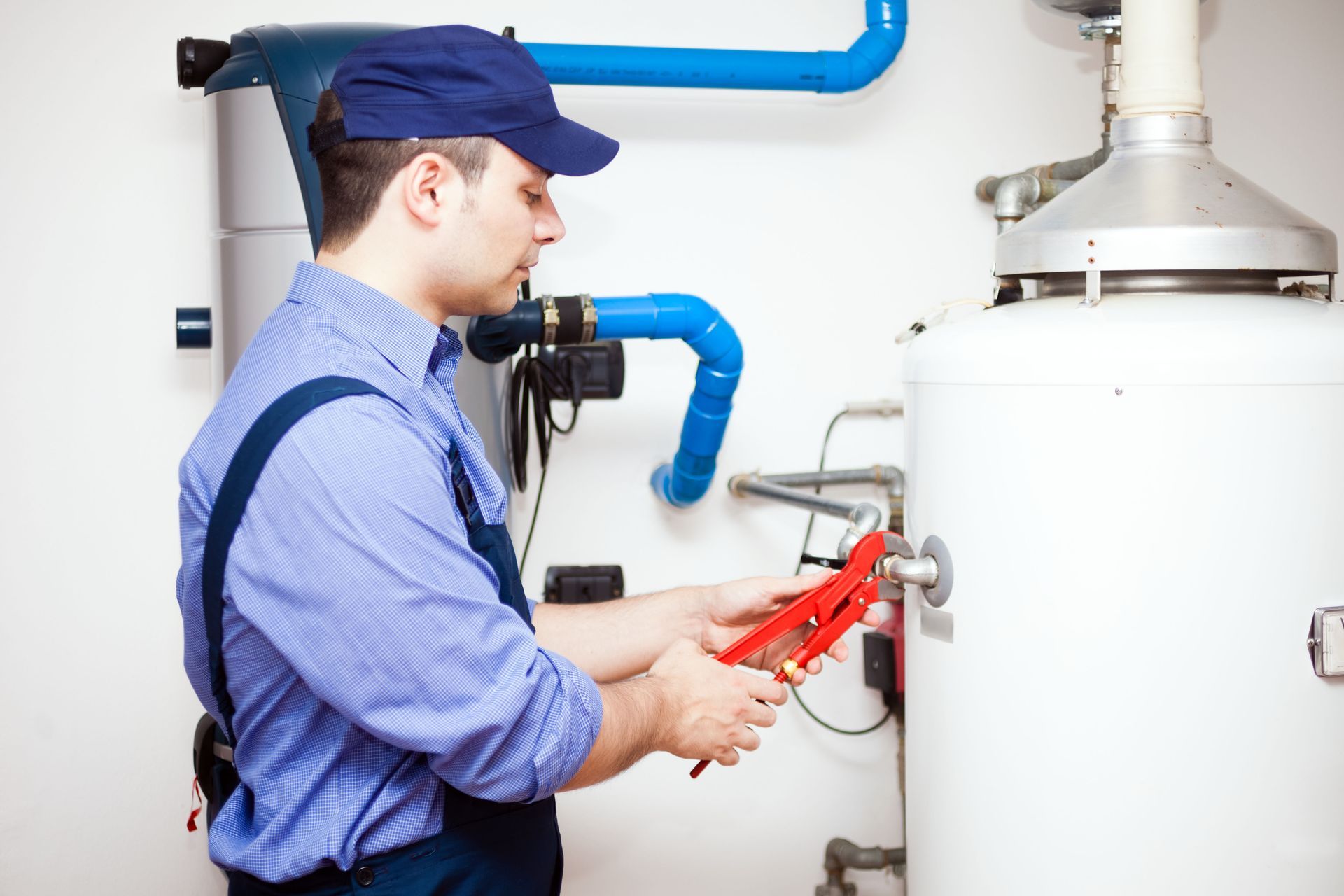
A traditional storage tank water heater keeps a ready supply of heated water standing by inside an insulated steel cylinder, usually tucked away in a basement, utility closet, or garage. Cold water enters through a dip tube near the bottom of the tank, where either a gas burner beneath the tank or electric heating elements inside warm the water to your set thermostat temperature. When you turn on a kitchen faucet or shower valve, warm water rises out of the top pipe while fresh cold water flows in to replace it.
Working with knowledgeable local plumbers ensures your tank unit is sized accurately for the number of bathrooms, appliances, and family members in your home. Standard residential models typically range from 40 to 80 gallons, giving busy households plenty of stored hot water for simultaneous morning showers. Simple, straightforward mechanical parts also make traditional tanks easy to understand and service over the years.
Comparing Upfront Installation Costs and Simple Replacement
One of the biggest reasons homeowners stick with a traditional tank water heater is the lower upfront equipment and installation cost compared to tankless systems. Because older homes already have existing cold and hot water lines, a standard 120-volt outlet, or a natural gas line and exhaust flue sized for a storage tank, swapping an old tank for a new one usually takes just a few hours.
Hiring licensed local plumbers keeps the replacement process fast, safe, and fully compliant with local building codes. Installing a tankless unit often requires upgrading gas pipe diameters, adding dedicated electrical circuits, or routing new PVC venting through exterior walls. Choosing a traditional tank avoids major utility retrofits while restoring reliable hot water the very same day.
Meeting Simultaneous Hot Water Demand for Busy Families
Every household uses hot water differently, especially during peak morning and evening hours when showers, washing machines, and dishwashers run at the same time. A properly sized storage tank delivers a steady, strong flow of hot water across multiple fixtures without dropping water pressure or restricting gallons per minute. You can run a bath upstairs while someone rinses dishes downstairs without feeling a sudden chill.
Asking experienced local plumbers to calculate your peak hour demand prevents the frustration of running out of hot water mid-shower. Technicians look at your household size, soaking tub capacity, and appliance flow rates to match the right tank volume and recovery rate. Once the tank is heated, hot water flows immediately at full volume whenever a tap opens.
Weighing Standby Energy Use Against Modern Insulation Standards
A common concern with storage tank models is standby heat loss—the small amount of energy used to keep water warm inside the tank even while everyone is sleeping or away at work. While older tanks from decades ago lost heat quickly through thin insulation, modern storage tanks feature thick, high-density foam insulation and improved heat traps that hold warmth far more efficiently.
Partnering with local plumbers lets you compare Energy Factor ratings across standard gas, electric, and high-efficiency hybrid heat pump tank models. Modern insulated tanks dramatically reduce standby energy waste while qualifying for utility rebates in many areas. Selecting an energy-smart tank balances lower monthly utility bills with dependable stored capacity.
Checking Utility Space, Venting, and Expansion Tank Needs
Before choosing any replacement water heater, it helps to look closely at the physical footprint and safety components inside your utility room. Traditional tank models require enough floor clearance for safe air circulation, proper draft hood venting for gas units, and a thermal expansion tank when your home has a closed water supply loop. An expansion tank absorbs extra water pressure as heated water expands inside the cylinder, protecting pipes and valves from stress.
Having local plumbers inspect your utility space uncovers minor venting, gas line, or water pressure issues before installation begins. Technicians verify that exhaust flues draft properly, check shutoff valves for smooth operation, and install a drain pan beneath the tank to protect basement floors. Thorough setup keeps your home safe and extends equipment life.
Planning Routine Maintenance for Long-Term Tank Reliability
Every water heater needs periodic care to stay efficient, especially in areas with hard mineral water. Over months of heating, calcium and magnesium minerals settle at the bottom of a storage tank, forming a layer of sediment that forces the burner or heating elements to work harder. Tanks also rely on a sacrificial anode rod—a metal core suspended inside the water that attracts corrosive elements so the steel tank lining does not rust.
Scheduling annual tune-ups with local plumbers keeps your traditional tank running quietly and efficiently for a decade or more. Flushing out mineral sediment, testing the temperature and pressure relief valve, and checking the anode rod every few years prevent noisy popping sounds and unexpected tank leaks. Simple routine care protects your investment year after year.
Deciding When Tankless Water Heaters Make More Sense
While traditional storage tanks work wonderfully for most families, certain homes benefit more from going tankless. If your utility closet sits in a tight space where a bulky cylinder gets in the way, if you own a vacation home that sits empty for months at a time, or if your family loves back-to-back long showers that empty an 80-gallon tank, on-demand tankless heaters eliminate storage limits completely.
Talking through both options with local plumbers gives you an honest side-by-side comparison tailored to your home's layout and budget. Experienced technicians explain fuel requirements, maintenance schedules, and expected lifespans for both tank and tankless units without high-pressure sales tactics. Clear facts help you choose the right technology with confidence.
A traditional storage tank water heater remains a practical, budget-friendly, and dependable choice for countless households that want strong multi-fixture hot water flow without expensive utility upgrades. Modern insulated cylinders, accurate peak-hour sizing, proper thermal expansion protection, and routine annual flushing keep tank units running safely and efficiently for years. Whether you're replacing an aging basement tank with a new high-efficiency model or comparing storage capacity with on-demand tankless technology, local plumbers help match the right equipment to your family's daily routine. Honest guidance and careful installation turn a stressful breakdown into reliable everyday comfort. When you are ready for same-day water heater installation, repair, or a free estimate from trusted
local plumbers in Southwestern Pennsylvania, contact Beverly Services online today.