November 20, 2026
Maintaining your HVAC ductwork is essential for keeping your home comfortable, energy-efficient, and healthy. Damaged or leaking ducts can increase utility costs, reduce airflow, and affect indoor air quality. Recognizing the warning signs early can help homeowners determine when professional heating repairs are necessary.
Increased Energy Bills
Unexpected increases in energy bills may indicate that your HVAC system is working harder than necessary. Leaking or damaged ductwork allows conditioned air to escape before reaching its intended destination. As a result, your system may run longer to maintain comfortable temperatures, increasing energy consumption and operating costs.
Poorly designed or damaged ducts can also restrict airflow throughout your home. Excessive bends, loose connections, and improperly sized ducts may prevent heated or cooled air from circulating efficiently. Professional heating repairs can identify these problems and restore proper airflow, helping reduce unnecessary energy expenses.
According to This Old House, properly sealed HVAC ducts can increase efficiency by up to 20%. When air escapes through damaged connections or gaps, homeowners pay to heat or cool air that never reaches their living spaces. Scheduling an inspection can help identify these inefficiencies and determine whether duct sealing or other repairs are necessary.
Higher energy bills can be especially concerning when household energy usage has not changed significantly. If costs continue rising despite consistent thermostat settings, the problem may involve more than seasonal temperature changes. A professional assessment can reveal whether duct leaks, insulation problems, or other HVAC issues are contributing to increased consumption.
Poor Indoor Air Quality
Unusual odors, excessive dust, and worsening indoor air quality can indicate problems with your HVAC ductwork. Damaged ducts may allow dust, insulation particles, and other contaminants to enter the airflow. These pollutants can circulate throughout the home, making the indoor environment less comfortable for occupants.
Dirty or deteriorating ductwork can also contribute to respiratory irritation, particularly for people with allergies or asthma. Moisture entering the system may encourage mold growth, creating additional concerns for indoor air quality. Professional inspections can identify contamination sources and determine whether cleaning, sealing, or heating repairs are needed.
Persistent musty odors should receive particular attention because they may indicate moisture problems within the duct system. Ignoring these warning signs can allow damage to worsen and potentially affect other HVAC components. Qualified technicians can assess the condition of the ducts and recommend appropriate solutions to improve airflow and indoor comfort.
Dust accumulating around supply vents may also suggest that the ductwork or HVAC filtration system needs attention. While some household dust is normal, a noticeable increase throughout the home can indicate an underlying circulation or filtration problem. A technician can examine the system to determine whether damaged ducts are contributing to the issue and recommend appropriate corrective measures.
Inconsistent Indoor Temperatures
Uneven temperatures between rooms can indicate that your HVAC system is not distributing air properly. Some areas may remain cold during winter, while others receive sufficient heat. These differences can result from leaking ducts, airflow restrictions, damaged connections, or problems with the system's overall design.
Crushed, disconnected, or blocked ducts may prevent heated air from reaching certain rooms. When airflow becomes restricted, the HVAC system may struggle to maintain the temperature selected on the thermostat. Professional heating repairs can help identify the underlying cause and restore more consistent heating throughout the property.
Frequent thermostat adjustments may provide temporary relief without addressing the actual problem. If certain rooms remain uncomfortable despite repeated changes, the ductwork and related HVAC components should be evaluated. A professional assessment can distinguish duct-related issues from thermostat malfunctions or equipment problems, helping ensure the appropriate repair is completed.
Temperature differences can become particularly noticeable during periods of extreme weather. When outdoor temperatures drop significantly, a compromised duct system may struggle to deliver enough warm air to distant rooms or upper floors. Resolving these distribution problems can improve comfort and help prevent the heating system from running longer than necessary.
Unusual HVAC Noises
Unexpected sounds coming from your ductwork can signal developing problems. Whistling may indicate air escaping through small gaps, while rattling can point to loose connections or components. Banging and popping sounds may also occur when ductwork expands, contracts, or responds to changes in air pressure.
Although some noises are associated with normal HVAC operation, persistent or unusually loud sounds deserve professional attention. Loose duct sections, damaged supports, and restricted airflow can create additional strain on the system. Experienced technicians can investigate these sounds, identify their source, and recommend heating repairs when necessary.
Unusual noises may also indicate debris or other obstructions inside the duct system. In some situations, pests can enter damaged ducts and create disturbances that interfere with normal operation. A professional inspection can help determine whether the problem involves physical damage, airflow restrictions, or unwanted intrusions.
Pay attention to when these noises occur, particularly if they begin suddenly or become more frequent. Sounds that appear when the heating system starts, changes speeds, or shuts down can provide useful clues about the underlying problem. Sharing these observations with a technician can help narrow down potential causes and support a more accurate diagnosis.
Visible Ductwork Damage
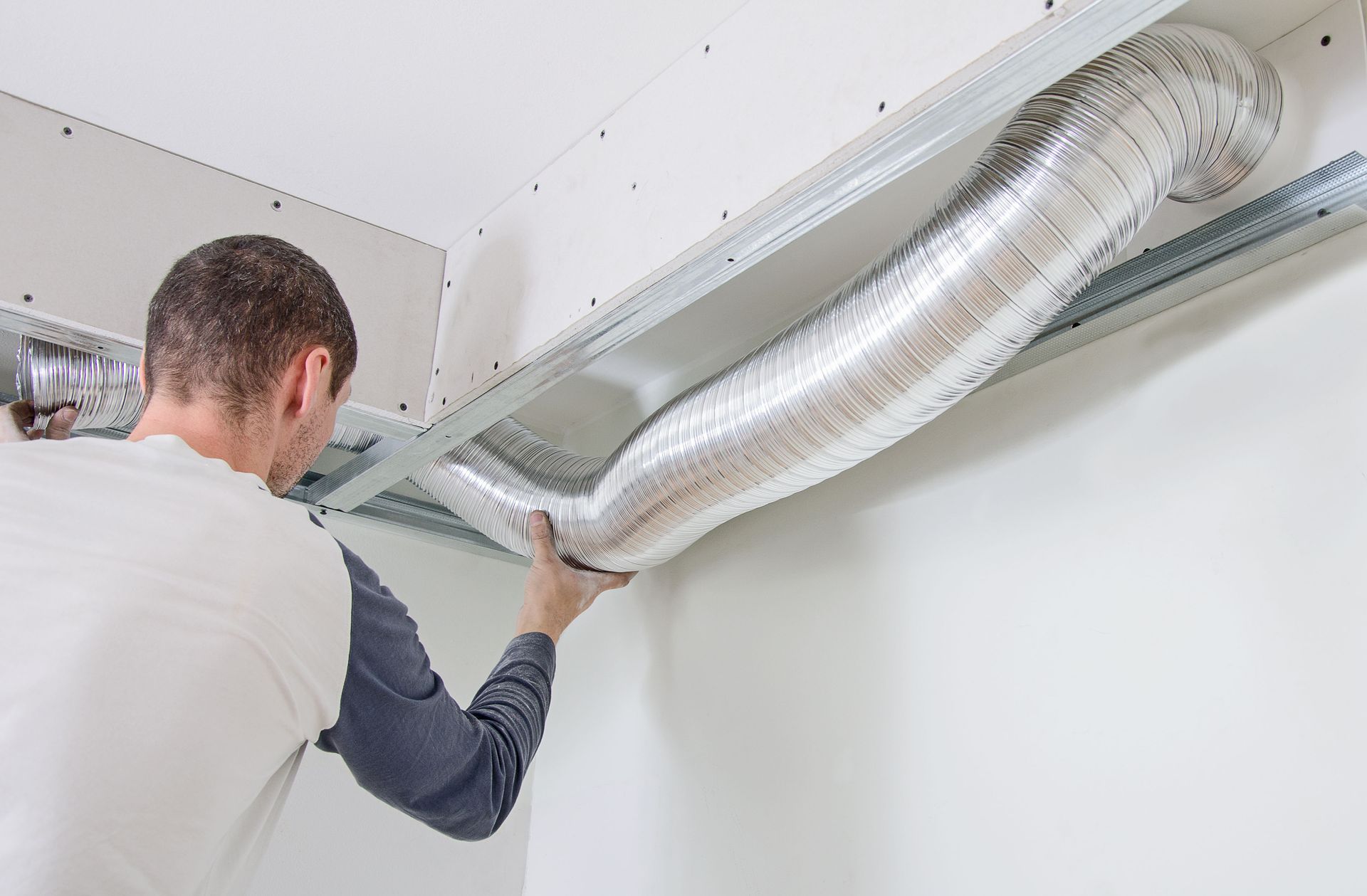
Visible damage is one of the clearest indications that your HVAC ductwork needs attention. Holes, separated connections, and deteriorating insulation can allow conditioned air to escape into unconditioned spaces. These problems reduce efficiency and may prevent the system from maintaining comfortable temperatures.
Rust and corrosion can also signal moisture exposure or deteriorating duct materials. If these conditions continue, the affected sections may develop leaks or structural weaknesses that interfere with airflow. Professional technicians can evaluate the extent of the damage and determine whether sealing, component replacement, or more extensive heating repairs are appropriate.
Sagging or misaligned ducts may indicate loose supports or structural problems. These conditions can restrict airflow, increase energy waste, and place additional stress on connected components. Scheduling professional service when damage first becomes apparent can help prevent more extensive deterioration and support reliable HVAC performance.
Insulation surrounding ductwork also plays an important role in maintaining efficient heating. Damaged or missing insulation can allow warmth to escape before air reaches the intended rooms, particularly when ducts pass through attics, crawl spaces, or other unconditioned areas. A professional inspection can determine whether insulation deterioration is contributing to energy loss and whether repairs are needed to improve system performance.
Pest Activity
Evidence of rodents or insects near HVAC vents can indicate that pests have entered the duct system. Droppings, nesting materials, unusual odors, and unexplained noises may warrant further investigation. Pests can damage duct materials, obstruct airflow, and introduce contaminants that affect indoor air quality.
Gaps around duct connections and damaged sections may provide entry points for unwanted animals. Once inside, pests can worsen existing damage and contribute to additional system problems. A professional evaluation can determine whether duct repairs are necessary and identify areas where the system's integrity has been compromised.
Pest-related contamination should be addressed carefully because debris and droppings can circulate through the HVAC system. Depending on the situation, coordinated pest removal, professional duct cleaning, and repairs may be necessary to restore safe operation. Prompt attention can help protect indoor comfort while preventing existing damage from becoming more extensive.
Damaged ductwork can affect energy efficiency, indoor air quality, and the overall performance of your heating system. Rising utility bills, uneven temperatures, unusual noises, visible deterioration, and signs of pests are all reasons to arrange a professional inspection. Addressing these concerns early can help prevent additional damage and reduce unnecessary operating expenses.
Regular professional evaluations can also help homeowners identify developing problems before they lead to unexpected breakdowns. During an inspection, technicians can assess duct connections, airflow, insulation, and other components that influence heating performance. This attention helps homeowners make informed decisions about maintenance and necessary repairs while supporting dependable operation throughout the colder months.
Beverly Services can help homeowners identify HVAC problems and determine the appropriate service for their needs. If you have noticed any of these warning signs, contact Beverly Services to schedule an evaluation and discuss the heating repairs needed to keep your home comfortable and your HVAC system operating efficiently.